
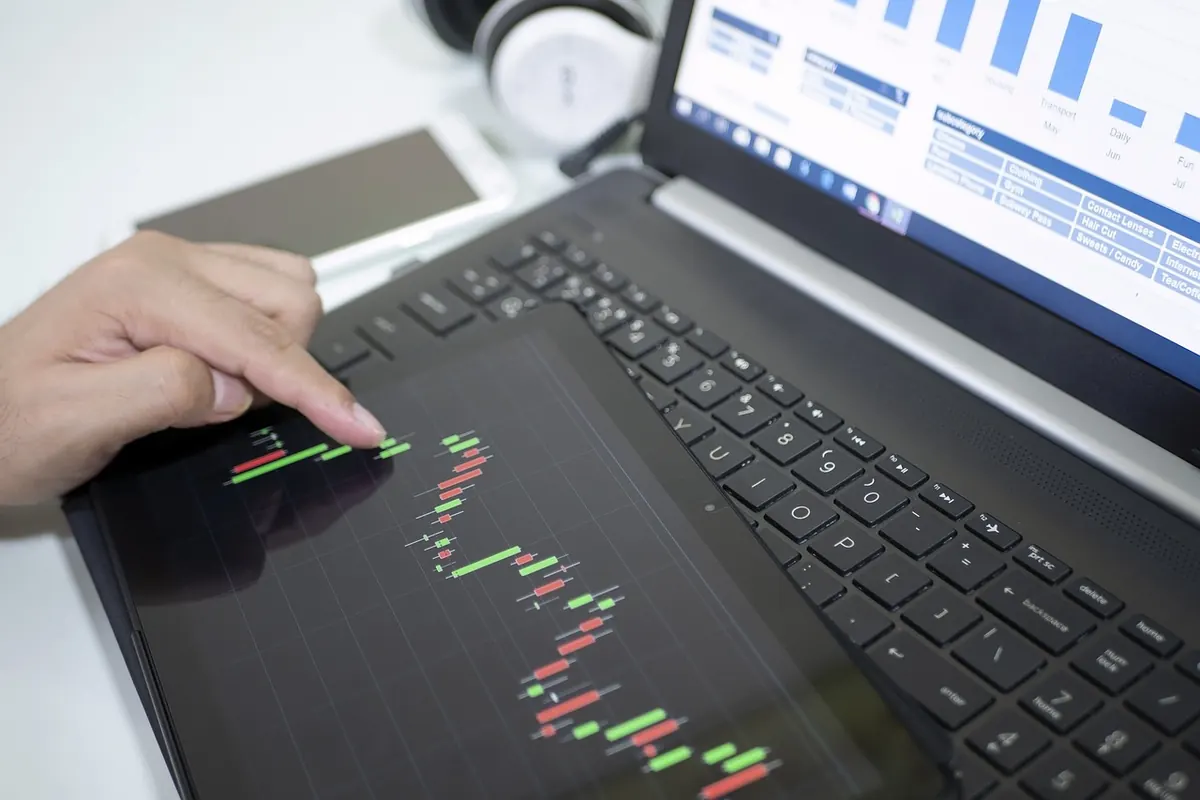
The currency market, better known as forex, is the largest trading market in the world, and anyone in the United Kingdom can open an account and start trading options on it. Prices move constantly because they react to a long list of outside factors. To make sense of those moves, traders use two kinds of analysis: technical analysis, which looks at charts, timeframes, support and resistance and momentum, and fundamental analysis, which looks at everything that affects the economic health of a country. This guide focuses on the second.
What fundamental analysis looks at
Fundamental analysis weighs the current price of a currency against interest rates, inflation, GDP, unemployment and similar data. Because a country’s economy does not change from one minute to the next, this approach is a poor fit if you are a short-term option trader, a day trader or a scalper. It works best for position traders and swing traders who hold positions for days or weeks.
It is also more than comparing this month’s number with last month’s. A single comparison rarely gives a reliable answer. Good fundamental analysis combines several data points and interprets them through one consistent economic view.
1. Good news and bad news
News moves markets. Positive or negative headlines help an investor judge which currency is likely to strengthen, when a price may rise or fall, and whether to sell a position or add to it. In that sense, news is a running report on the economic condition of a country. If you are new to options, a regulated broker such as Saxo helps you execute trades precisely while you learn.
Technical traders working in the CFD market can largely ignore the news. Fundamental traders cannot, and they need patience: many key indicators are only published weekly or monthly, so decisions take longer.
2. Economic indicators
A handful of indicators do most of the work for beginners:
- Interest rates – arguably the most important indicator. They reveal how a central bank sees the economy and connect directly to inflation and growth. Watch central bank decisions and nominal rates closely.
- Inflation – rising inflation usually accompanies an expanding economy. Governments and central banks respond by raising rates, which cools both growth and inflation. Their goal is balance.
- GDP – the total value of goods and services produced in an economy. The figure itself matters less than its rate of change: rising GDP signals expansion, falling GDP signals contraction.
Bottom line
Fundamental analysis rewards traders who think in weeks and months rather than minutes. Follow the news calendar, understand how interest rates, inflation and GDP influence one another, and use those insights to time longer-term positions. For more money topics, browse our Finance section or read what lenders check in the documents you need when applying for a mortgage.