EMF in everyday life
Phones, laptops, Wi-Fi routers, games consoles and computers all emit radio-frequency electromagnetic fields (EMF). As we use more connected devices, more people are asking whether this exposure affects their health and whether protection products are worth buying.
What does the science say?
The research picture is nuanced. The International Agency for Research on Cancer classifies radio-frequency EMF as “possibly carcinogenic” (Group 2B), a category that reflects limited evidence rather than proven harm. Major health bodies state that no health effects have been established at exposure levels below international safety limits, which consumer devices must meet. Many scientists call for more long-term research, especially on heavy use and children. Exposure depends on factors such as distance from the device, how often you use it and how long each session lasts.
If you would like to reduce your exposure anyway, it helps to know which products and habits actually make a difference.
Laptop shields
Laptop shields come as carry cases, lap pads and trays. Many claim to block most radiation, but few have been tested independently. Some products do include shielding layers that reduce measured emissions on the shielded side. The simplest option is often the most effective: use the laptop on a desk rather than on your lap.
Phone cases and shields
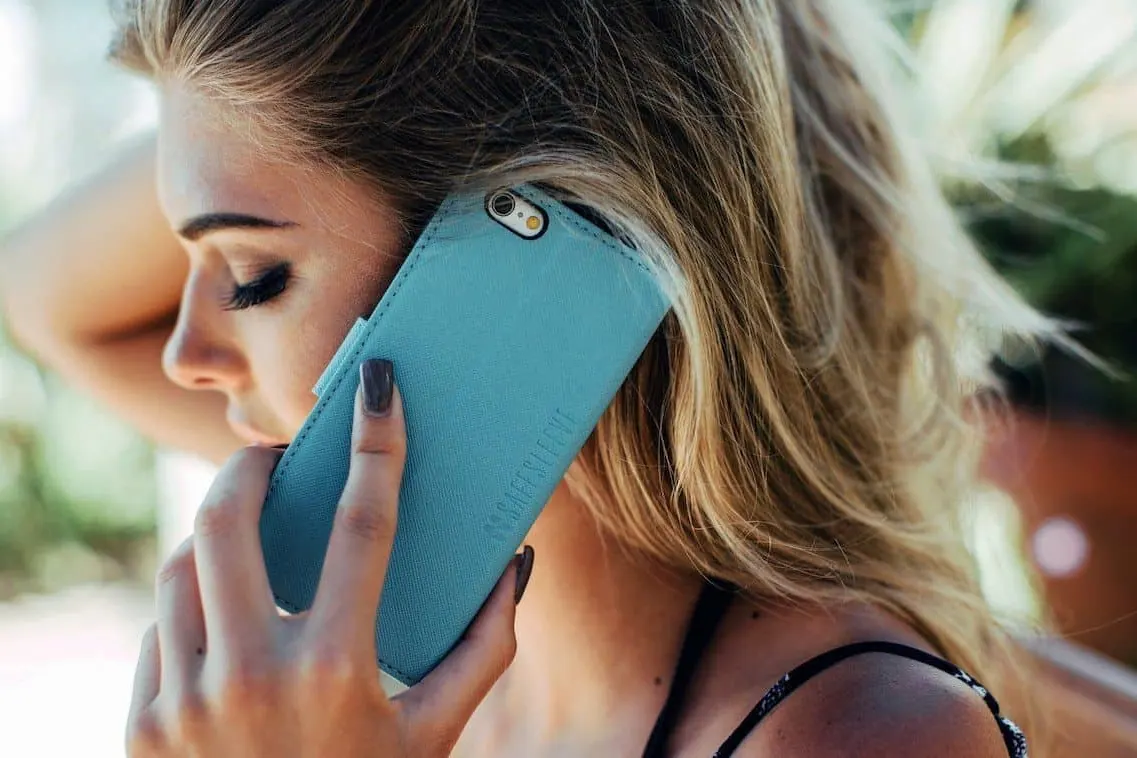
Phones emit the most when they are transmitting, especially with weak reception. An anti radiation phone case uses shielding material in the front flap to reduce emissions towards your body when the phone is held against your head or carried in a pocket.
When comparing cases, check:
- Independent test results from accredited labs, not just marketing claims.
- Where the shielding sits – a case should not block the antenna so much that the phone has to transmit harder.
- Everyday practicality – some shields are bulky and inconvenient.
What probably doesn’t work
Stickers, “energy” pendants and chips that claim to neutralise radiation have no credible evidence behind them. Be sceptical of products that do not publish test data.
Simple habits that reduce exposure
- Use speakerphone or wired earphones for long calls.
- Keep your phone out of your pocket when possible.
- Avoid long calls when reception is weak.
- Keep devices off your lap and out of the bed.
- Switch off Wi-Fi and devices you are not using at night.
Choose tested products, rely on distance and good habits, and keep up with new research. More tech explainers are in our Tech section.