Long before smartwatches and smart glasses became consumer products, researchers at places like the MIT Media Lab were building wearable computers: body-worn systems that stay with you all day and quietly help you. One of the most compelling ideas to come out of that work is just-in-time memory support – technology that reminds you of the right thing at exactly the right moment.
What is just-in-time memory support?
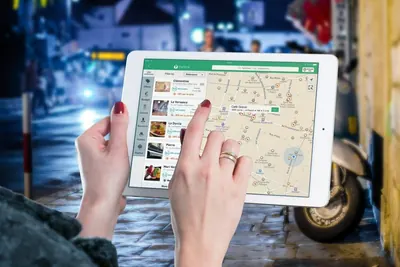
Traditional reminders are tied to a clock: an alarm at 9:00, a calendar pop-up ten minutes before a meeting. Just-in-time support is tied to context. A wearable system uses sensors – location, motion, audio, even who you are talking to – to decide when information is useful, then delivers it with as little distraction as possible.
Examples include:
- seeing a colleague’s name when they walk up to you,
- a reminder to buy milk when you pass the supermarket,
- step-by-step cues for a technician in the middle of a repair,
- medication prompts for older adults, triggered by daily routines.
The “memory glasses” idea
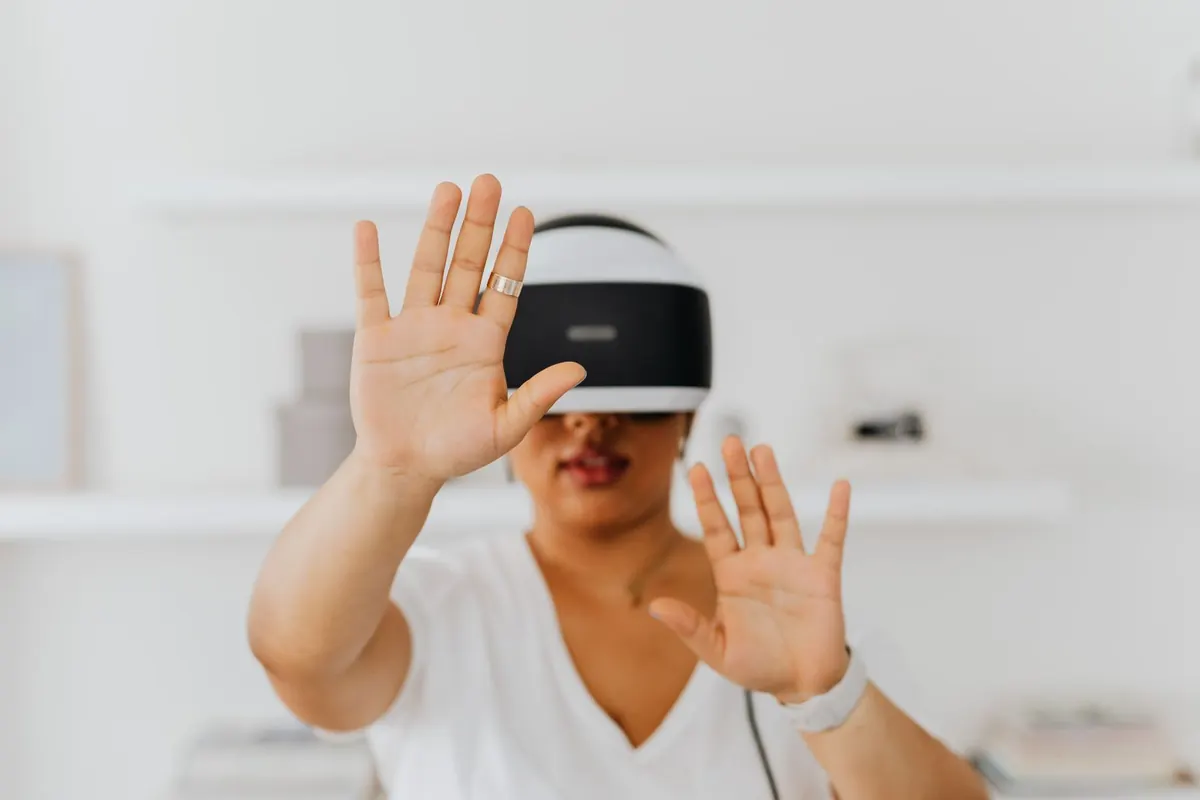
Early 2000s research explored “memory glasses”: head-mounted displays that could present short cues in the wearer’s field of view. Some experiments even tested very brief, low-attention cues to see whether memory could be supported without interrupting what the wearer was doing. The central design challenge remains the same today: help without overwhelming.
From research to everyday devices
Many of those ideas now appear in consumer products:
- Smartwatches deliver location- and activity-based reminders.
- Smart glasses show navigation, translations and notifications.
- Voice assistants answer questions hands-free.
- Hearing aids and earbuds adapt to the environment automatically.
Challenges
Wearables raise real questions about privacy (always-on cameras and microphones), social acceptance, battery life and attention: a badly timed notification can be worse than none at all.
Why it matters
Well-designed wearable memory aids could help people with memory impairments live more independently, help professionals work more safely, and help all of us spend less mental energy remembering and more on what matters.
Read more about how innovations are covered in the Fourth Estate in the age of Big Tech, or see how teams build new devices quickly with rapid prototyping.