
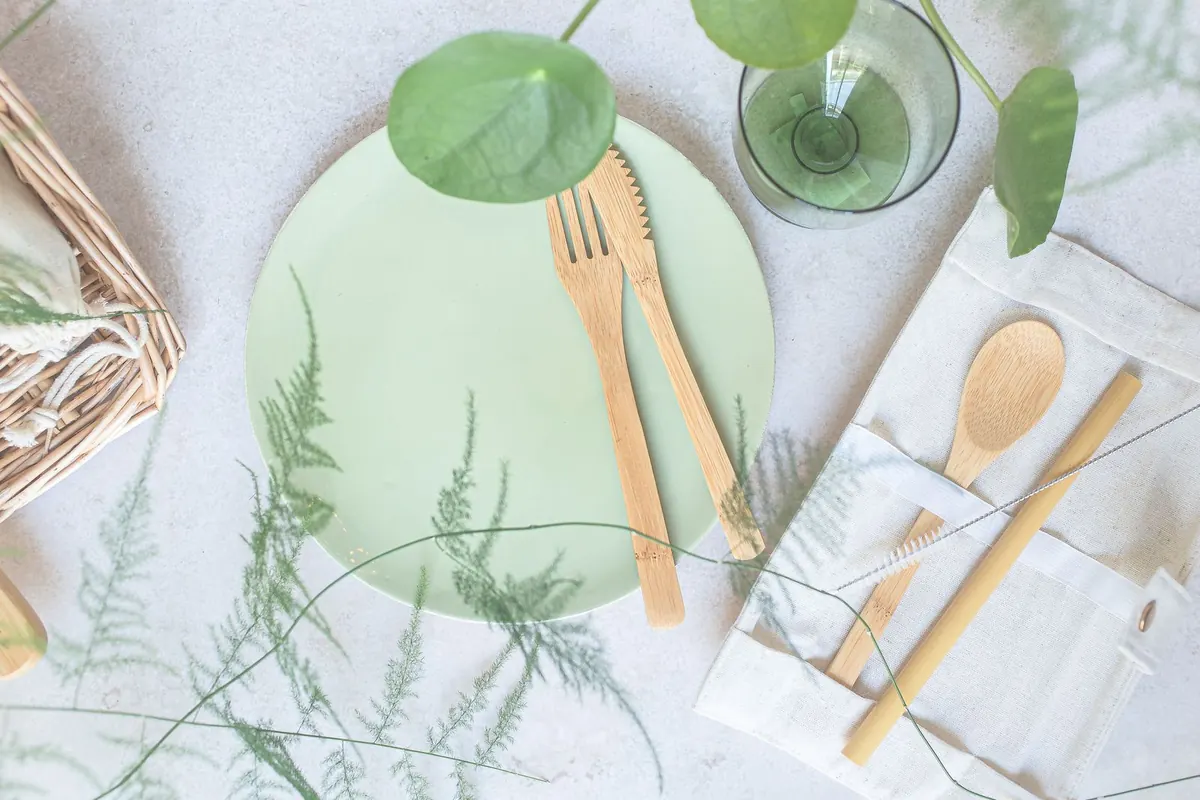
Compostable Plates are an eco-friendly alternative to plastic and foam tableware. Made from plant-based materials, they break down in composting conditions instead of lingering for centuries. Here are three ways they benefit the environment.
1. Less landfill waste
Traditional plastic plates can take hundreds of years to degrade. Compostable plates are designed to break down into organic matter in industrial or home compost systems, which keeps single-use waste out of landfill and turns it into a useful soil improver.
2. Made from renewable materials
Most compostable plates are made from renewable resources such as sugar cane fibre (bagasse), bamboo, palm leaves or corn-based bioplastics. Many use agricultural by-products that would otherwise be thrown away, reducing the demand for fossil-fuel-based plastics.
3. A lower-impact life cycle
From production to disposal, well-made compostable tableware generally has a smaller environmental footprint than conventional plastic. When collected with food scraps, plates and leftovers can be composted together, simplifying waste handling at events, cafés and offices.
Tips for getting the benefits
- Check for recognised compostability certifications.
- Find out whether your area has industrial composting – some products need it.
- Keep compostables out of plastic recycling bins.
- Choose sturdy plates for hot or saucy foods.
Compostable plates offer responsibility, sustainability and convenience in one. Discover more eco topics in our Environment section, including liquid waste management techniques.