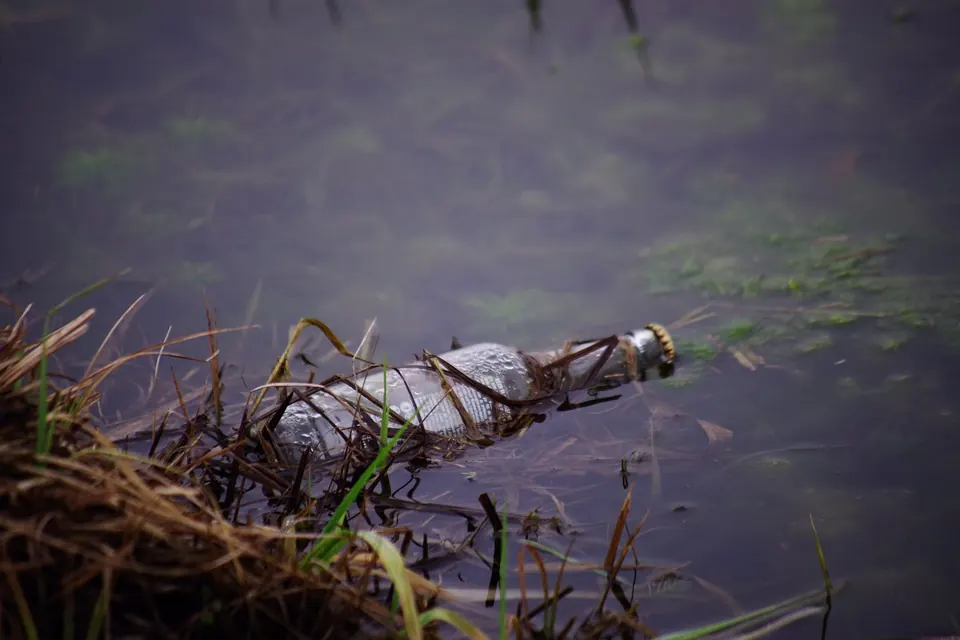
Managing liquid waste is one of the big environmental challenges of our time. Liquid Waste Management covers the collection, treatment and disposal of waste in liquid form, including household wastewater, stormwater runoff, groundwater infiltration and industrial discharges. Poorly managed liquid waste pollutes rivers, lakes and seas and can harm people through contaminated water and food.
Here are three techniques that make a real difference.
1. Reduce and reuse water at the source
The less wastewater we create, the less needs treating. At home, water-efficient fittings, greywater systems for garden irrigation and, in some settings, composting toilets reduce the load on sewers. Composting toilets turn human waste into compost, cutting water use significantly.
2. Treat before disposal
Businesses that produce liquid waste, from restaurants to factories, should treat it before it leaves the site. Grease traps, interceptors, filtration and settling tanks remove oils, solids and contaminants. Specialist contractors can collect hazardous liquids for safe processing.
3. Cut single-use packaging for liquids
Choosing tap water instead of bottled water, and refilling containers for household liquids, reduces both plastic waste and the resources used to produce and transport packaged drinks. Where tap water quality is a concern, home filtration is an affordable option.
Why it matters
Good liquid waste management prevents sewage sludge, chemicals and treated effluent from harming natural waters, and protects wildlife, drinking water and food supplies. Small changes at home and responsible practices at work add up.
Read about another easy win in 3 reasons compostable plates provide environmental benefits.